The Tragic Waste of Xavier Penn: How a Bright Future Was Snuffed Out by Fraternity Brotherhood
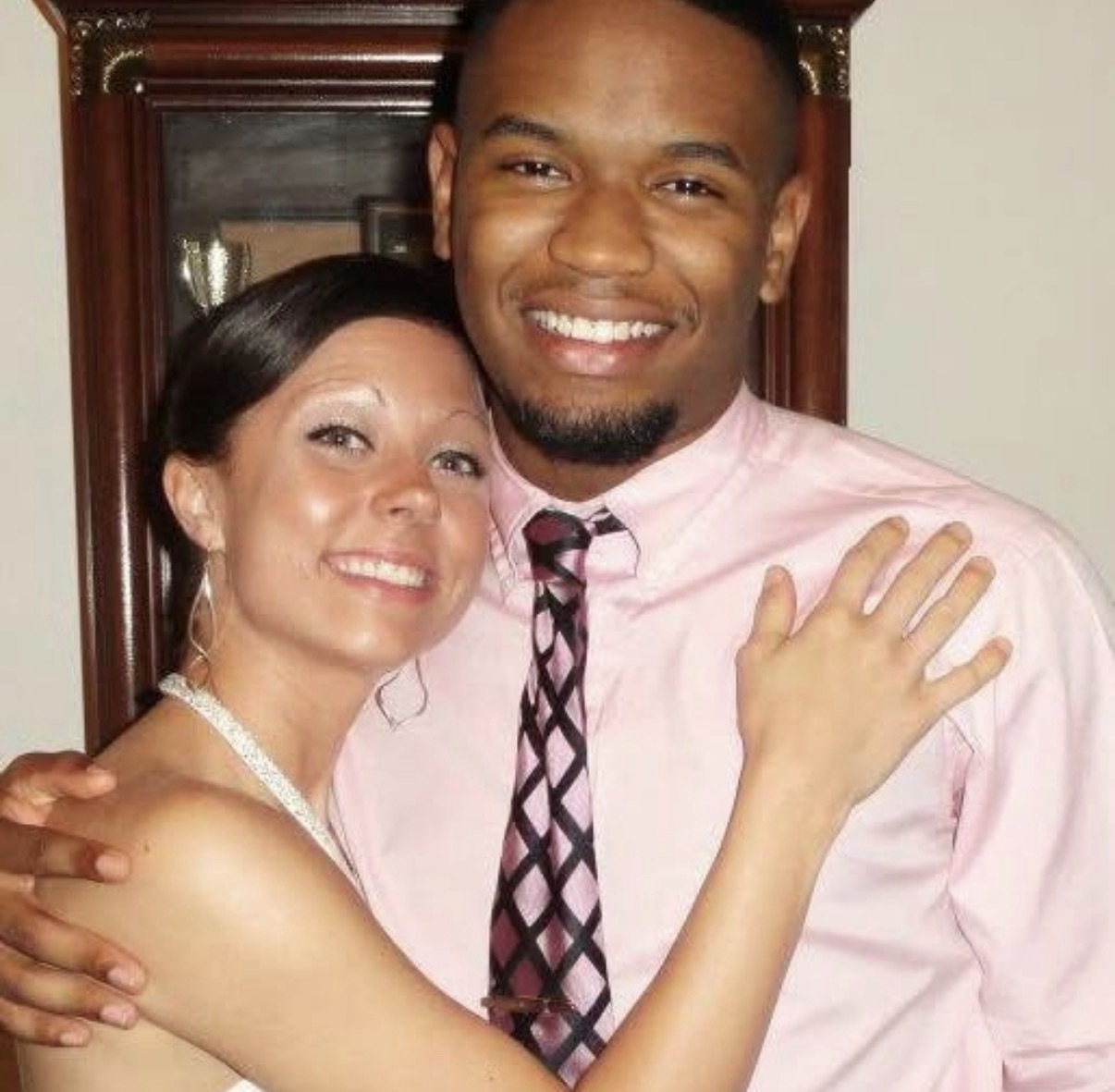
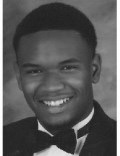
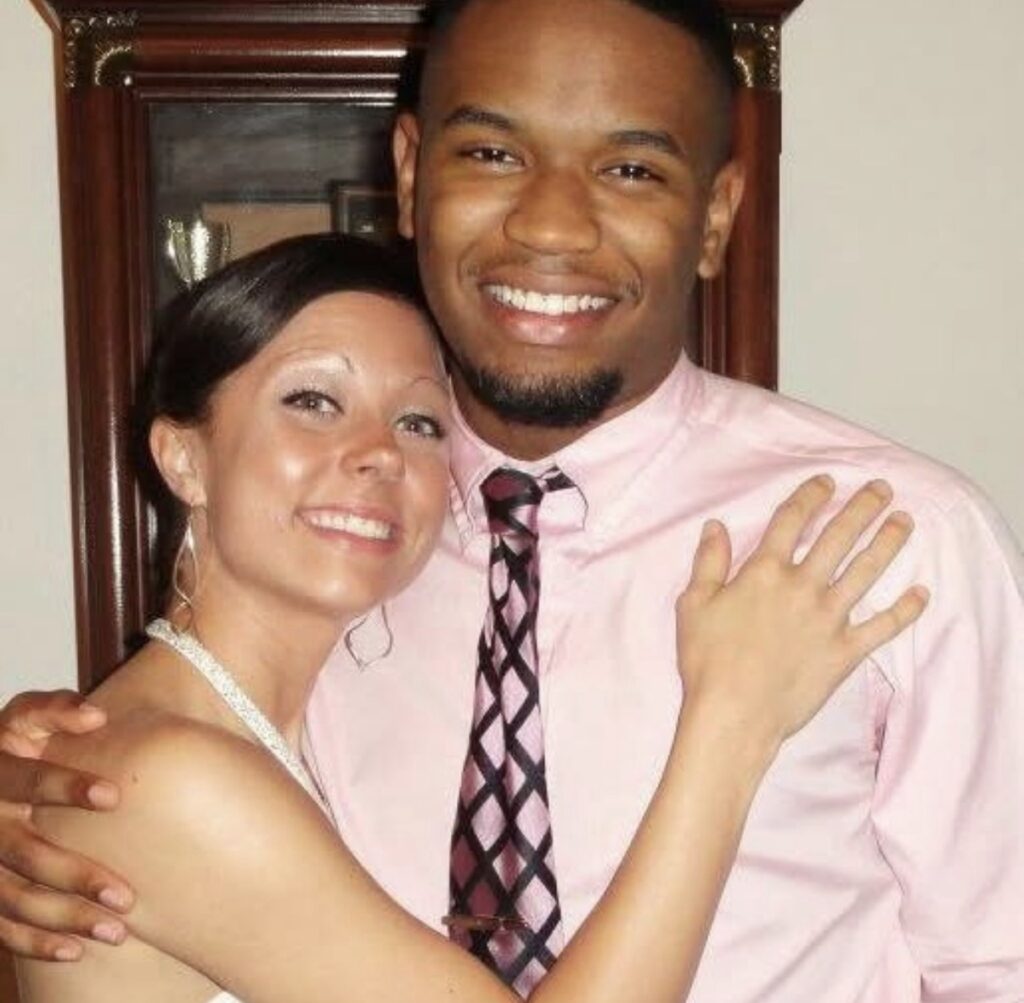
Xavier Alexander Penn was born on August 24, 1993, in Moreno Valley, California. He had his whole life ahead of him—a promising young man full of potential, ambition, and the kind of raw talent that makes parents dream big. By the time he reached college at the University of South Alabama in Mobile, he was already making moves: an aspiring MMA fighter with the drive to compete and the charisma to stand out. His social media reflected a kid chasing excellence, tagging along with the energy of youth that should have propelled him toward greatness.
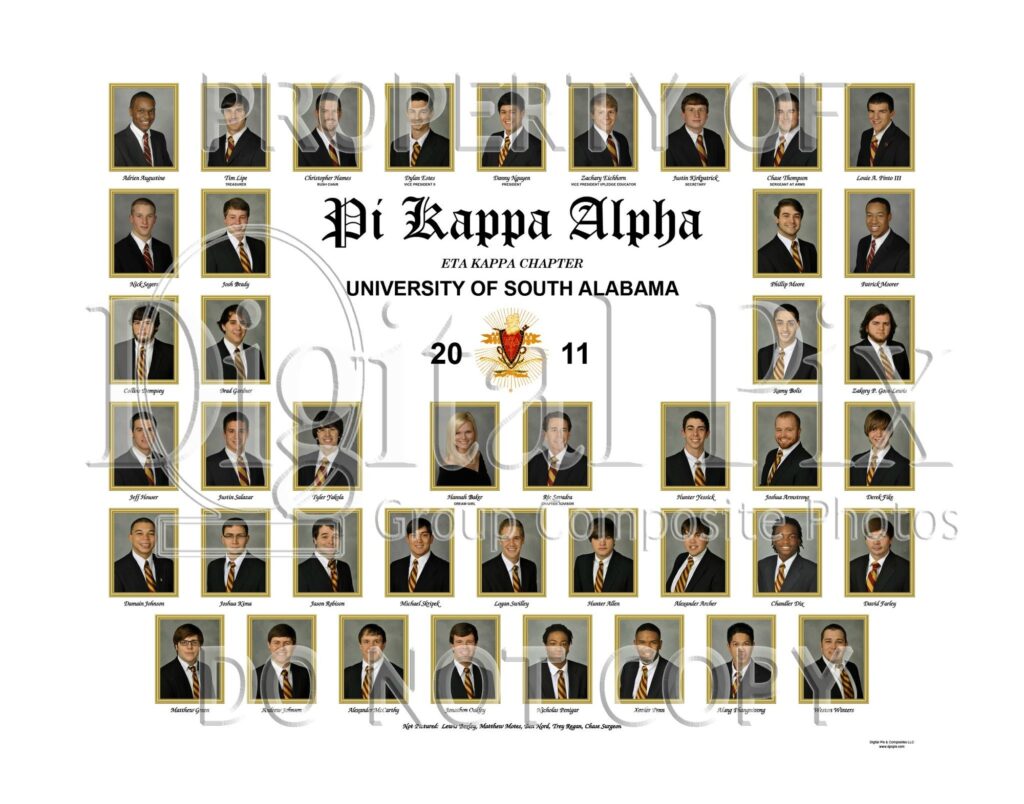
Instead, Xavier Penn lies dead at 18 years old, run over in the middle of North Schillinger Road in the predawn hours of July 24, 2012. He wasn’t a criminal. He wasn’t a reckless thrill-seeker by nature. He was a college kid who got pulled into the toxic orbit of fraternity life—specifically, Pi Kappa Alpha (PIKE) at the University of South Alabama. What started as the promise of brotherhood, networking, and college fun spiraled into intoxication, drugs, abandonment, and a preventable death. The driver who struck him? Completely innocent. The system that enabled it? Still protecting its own.
A Star Dimmed by Greek Life Pressure
Xavier entered the University of South Alabama with the world at his feet. Like so many bright young men, he was sold the Greek life dream: instant friends, parties, status, leadership opportunities, and lifelong connections. Pi Kappa Alpha positioned itself as the place to be. “Brotherhood” sounded noble. In reality, it often meant conformity, peer pressure, and a culture where “fun” blurred into excess and danger.
According to the narrative around his involvement, Xavier got mixed up with the wrong crowd inside the fraternity. He was duped into believing this was his ticket to the good life. Instead, it accelerated a downward spiral. He started running with brothers who prioritized partying over purpose. The environment normalized heavy drinking and drug use. What began as social bonding turned into a gateway for poor decisions that eroded his potential.
Zakary Gosa-Lewis, a prominent figure in that Pi Kappa Alpha chapter, later earned recognition as Greek Man of the Year at USA. He went on to build a career in fraternity and sorority life coordination before moving to Oregon, where he has worked in various professional roles. While Gosa-Lewis and the chapter later positioned themselves as Xavier’s friends who “helped” him, the cold reality on the ground tells a different story: a young man left vulnerable, supplied with substances, and ultimately discarded in the street.
The Fatal Night: Alcohol, Drugs, and Abandonment
In the early morning hours of July 24, 2012, Xavier Penn was lying unconscious or incapacitated in the middle of North Schillinger Road. He had been given alcohol and drugs—substances that left him high and intoxicated, unable to protect himself. A motorist, driving normally, struck and killed him. First responders pronounced him dead at the scene. The driver faced no charges; this was no fault of theirs. It was the direct result of people who were supposed to be his “brothers” failing him catastrophically.
Fraternities like PIKE have a long track record of these tragedies. Pledges and members are plied with booze and worse under the guise of bonding. When things go south—as they so often do—the organization closes ranks. “He was our friend,” they say. “We tried to help him.” But where was that help when Xavier was lying in the road? Who supplied the substances that impaired him? Who left him there instead of ensuring his safety?
This wasn’t an isolated “accident.” It was the predictable outcome of a culture that glorifies excess, hazing rituals (formal or informal), and the evasion of responsibility. Xavier’s death fits a grim pattern seen across campuses: young men with futures lured into environments where risk is romanticized and consequences are for someone else to handle.
The Aftermath: Brotherhood’s Empty Words
In the wake of Xavier’s death, the fraternity and its members reportedly claimed closeness and offered condolences. They painted themselves as supportive figures in his life. But actions speak louder than press releases or memorial posts. A bright young man—athletic, driven, full of potential—was dead because the “brotherhood” prioritized the party over his well-being.
Zakary Gosa-Lewis moved on with his life, advancing in roles tied to Greek life and later relocating to Oregon. Xavier’s family buried their son. His siblings lost a brother. His parents lost a child who should have outlived them. The aspiring MMA fighter never got his shot in the cage. The University of South Alabama lost a student whose potential could have contributed to its community.
This is the harsh truth fraternities don’t want discussed openly: too many operate as liability factories. They recruit impressionable young men, flood them with alcohol and drugs, foster an us-against-the-world mentality, and then distance themselves when tragedy strikes. Insurance policies, risk management seminars, and PR spin can’t hide the body count.
A Call for Accountability and Reform
Xavier Penn’s story should haunt every parent sending a child to college. It should fuel outrage among alumni who blindly defend “the Greek experience.” It should prompt universities like South Alabama to scrutinize chapters like Pi Kappa Alpha more aggressively—dry housing, real oversight, expulsion for violations, not slaps on the wrist.
We romanticize fraternities as character-builders and networking hubs. For some, they might be. For others—like Xavier—they become traps. The downward spiral doesn’t happen in a vacuum. It happens when “brothers” enable impairment, then fail to protect the vulnerable.
No more empty tributes. No more “he was one of us” when the system chewed him up. Xavier Alexander Penn deserved better than to die alone in the road, high and helpless, because the people he trusted chose the party over his life.
His death was preventable. The substances came from somewhere. The decision to leave him exposed came from “friends.” The culture that made it normal thrives on campuses today.
Remember Xavier not as a cautionary statistic, but as a bright light extinguished too soon by the false promise of fraternity brotherhood. Demand better. Hold them accountable. Or more bright futures will end the same way—run over in the dark while the brothers sleep it off.
The party always ends. Sometimes, so does the life.