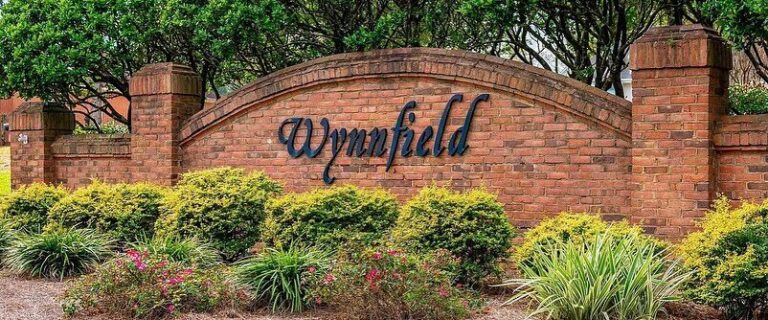
Misunderstanding the Process: How Confusion Over HOA Elections Led to a Failed Campaign in Wynnfield
Homeowners associations often operate with rules and structures that are not immediately obvious to residents—especially when it comes to elections. In the Wynnfield community, one recent campaign effort highlighted just how confusing HOA governance can be, and how misunderstandings about the process can quickly derail even determined candidates.
A Campaign Built on a Common Misconception
In many political settings, candidates run directly for leadership positions—mayor, governor, or even club president. But HOAs typically work differently.
In Wynnfield, as in many associations, homeowners elect board members, and then the board internally selects its officers, including the president, vice president, secretary, and treasurer.
That distinction is critical. And in this case, it appears it was not fully understood during a recent campaign effort by a local resident who sought to become HOA president.
According to neighbors, the candidate canvassed the neighborhood, speaking with residents and seeking support for the position of president. The outreach effort resembled a traditional election campaign, with direct appeals to homeowners for votes.
However, because the HOA does not allow members to directly elect officers, those efforts may not have aligned with how the process actually works.
Election Night Reality
When the HOA meeting took place, the results reportedly reflected a significant gap between the campaign effort and actual support within the existing election structure.
Residents say the candidate received only minimal backing in the formal vote for board membership—the only position homeowners can directly influence. Without a seat on the board, there is no pathway to being selected as an officer.
The outcome underscored a key reality: in HOA governance, understanding the rules is just as important as building support.
Why HOA Elections Are Often Confusing
Wynnfield’s system—where officers are chosen by the board rather than directly by homeowners—has been a source of frustration for many residents.
Critics argue that:
- Homeowners lack a direct voice in selecting key leadership roles
- Campaigning for officer positions can be misleading or ineffective
- The system can feel disconnected from traditional democratic expectations
Supporters of the structure, however, say it allows for continuity and internal organization within the board.
Regardless of perspective, situations like this demonstrate how easily confusion can arise.
The Importance of Process and Preparation
Running for any leadership position—especially within an HOA—requires more than enthusiasm. It requires a clear understanding of:
- Governing documents and bylaws
- Election procedures
- The distinction between board roles and officer roles
- How decisions are actually made
Without that foundation, even a well-intentioned campaign can struggle to gain traction.
A Broader Lesson for Homeowners
The Wynnfield situation serves as a reminder to all HOA members: the rules matter, and they are not always intuitive.
For homeowners considering getting involved, experts often recommend:
- Reviewing the HOA’s bylaws and covenants in detail
- Speaking with current or former board members
- Attending meetings (when permitted)
- Understanding exactly what positions are elected versus appointed
Conclusion
HOAs can be complex, and their structures don’t always mirror the democratic systems people are used to. When those differences aren’t fully understood, it can lead to confusion, frustration, and unsuccessful campaigns.
In Wynnfield, this recent election serves as a case study in how important it is to align effort with structure. Support alone isn’t enough—it has to be directed through the right process.