Realtor Shuts Down Open House in Wynnfield After Homeowners Voice Concerns to Prospective Buyers
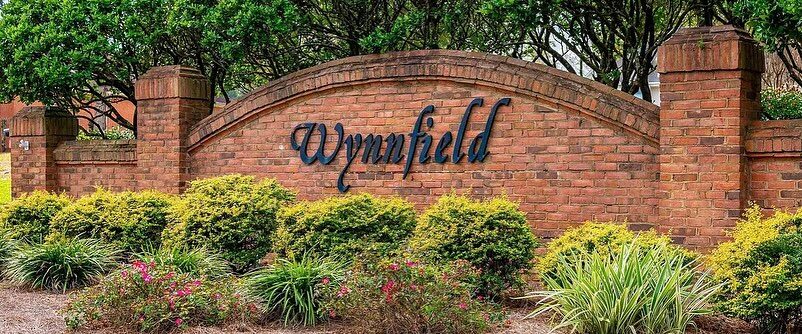
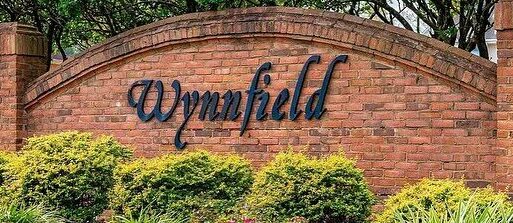
An open house on Wynnridge Drive in the Wynnfield subdivision came to an early and unusual end recently after a group of neighborhood residents gathered outside to speak with prospective buyers about their experiences with the Wynnfield Homeowners Association (HOA). The listing agent, Chris King of Roberts Brothers Real Estate, ultimately made the decision to shut the open house down — setting off a chain of events that has residents once again asking hard questions about how HOA leadership responds when homeowners speak up.
What Happened
According to accounts from those present, a small group of Wynnfield residents gathered near the property during the scheduled open house hours and spoke directly with visitors as they arrived to tour the home. Printed materials describing ongoing concerns with the HOA were also left on the windshields of vehicles parked for the event, a common and generally lawful practice for sharing information in residential neighborhoods. The residents‘ message to visitors was straightforward and consistent: before committing to a purchase in this subdivision, prospective buyers deserved to know about the problems many current residents say they have experienced with the HOA’s leadership, its financial transparency, and the way its rules have been enforced over the years.
Faced with residents speaking to visitors and materials appearing on vehicles outside the home, Chris King made the call to end the open house earlier than planned. Mr. King then notified the homeowner of what had occurred. The homeowner, in turn, reported the incident to the Wynnfield HOA. From there, the HOA retained counsel, and the association’s attorney sent a formal letter to the residents believed to have participated in the demonstration.
A Legal Right, and a Contested Characterization
It’s worth stating plainly, and in some detail, what the law actually allows here. Standing on or near a public right-of-way and speaking with members of the public is protected activity. Sharing truthful, firsthand information about a homeowners association’s track record — even information that is unflattering to that association — is a lawful exercise of free speech. Leaving printed materials on vehicles, similar to distributing a flyer or handbill, is likewise a widely accepted practice in neighborhoods across the country and is not, on its own, illegal or improper.
Put simply: the homeowner and residents involved were well within their rights to raise these concerns, and the prospective buyers touring the home that day were entitled to hear them before making one of the largest financial decisions of their lives. A home purchase is not just a transaction involving square footage, finishes, and a purchase price — it is also, in a neighborhood governed by an HOA, a decision to join an association with its own rules, dues, financial obligations, and history. Buyers benefit from knowing that history, not being shielded from it.
Despite this, the letter sent by the HOA’s attorney reportedly characterized the residents’ conduct as a form of intimidation directed at the sellers, the real estate agent, and the prospective buyers touring the property. That characterization has not sat well with residents, many of whom point to a familiar and troubling pattern in Wynnfield: criticism of HOA leadership tends to be met with legal correspondence and threats rather than a substantive response to the concerns being raised.
A Familiar Pattern in Wynnfield
Longtime readers of this site will recognize the broader context surrounding this incident. Wynnfield residents have for several years raised concerns about the HOA’s financial transparency, its selective and sometimes aggressive enforcement of covenants, its closed-door process for selecting board officers, and a recurring pattern in which residents who speak up have found themselves on the receiving end of the association’s authority — or its attorneys — rather than a good-faith conversation about the issues at hand.
Previous reporting on this site has documented residents describing an atmosphere of apprehension surrounding the board’s handling of disputes, unanswered questions about the financial stewardship of HOA dues, unresolved neighborhood infrastructure and drainage concerns, and instances in which board leadership pursued unusually aggressive measures against individual homeowners over disagreements that had little direct connection to the HOA’s actual responsibilities under its own governing covenants.
Viewed against that backdrop, this incident fits a pattern that will feel familiar to many in the community: when residents attempt to warn others — including prospective new neighbors who have not yet signed on the dotted line — about problems within the association, the institutional response has tended toward legal pressure rather than dialogue, transparency, or meaningful reform.
Why This Matters for Prospective Buyers
Open houses exist so that buyers can gather the information they need to make a fully informed decision about what is, for most people, the largest purchase of their lives. A home does not exist in isolation from the community and governing association attached to it. For a buyer considering Wynnfield, the HOA’s covenants, its dues structure, its enforcement history, and its overall financial health are just as material to that decision as the square footage of the living room or the age of the roof.
Residents who chose to speak with visitors at this open house were, in effect, providing exactly the kind of disclosure that a fully transparent HOA would ideally be making available to prospective buyers as a matter of routine practice — well before closing day, and certainly before a resident feels compelled to stand outside in the summer heat to share it in person.
That the response to this disclosure was a formal letter alleging intimidation, rather than any acknowledgment of the concerns being raised, will likely do little to reassure current residents that the issues documented on this site in recent years have been meaningfully addressed by HOA leadership.
What’s Next
As of this writing, no legal action beyond the attorney’s letter has been reported. This publication will continue to follow developments regarding the Wynnridge Drive open house incident, any further correspondence between the HOA and the residents involved, and any response from Roberts Brothers Real Estate or Chris King. Residents with additional information, documentation, or firsthand accounts relevant to this story are encouraged to reach out.