Understanding HOA foreclosure in Mobile
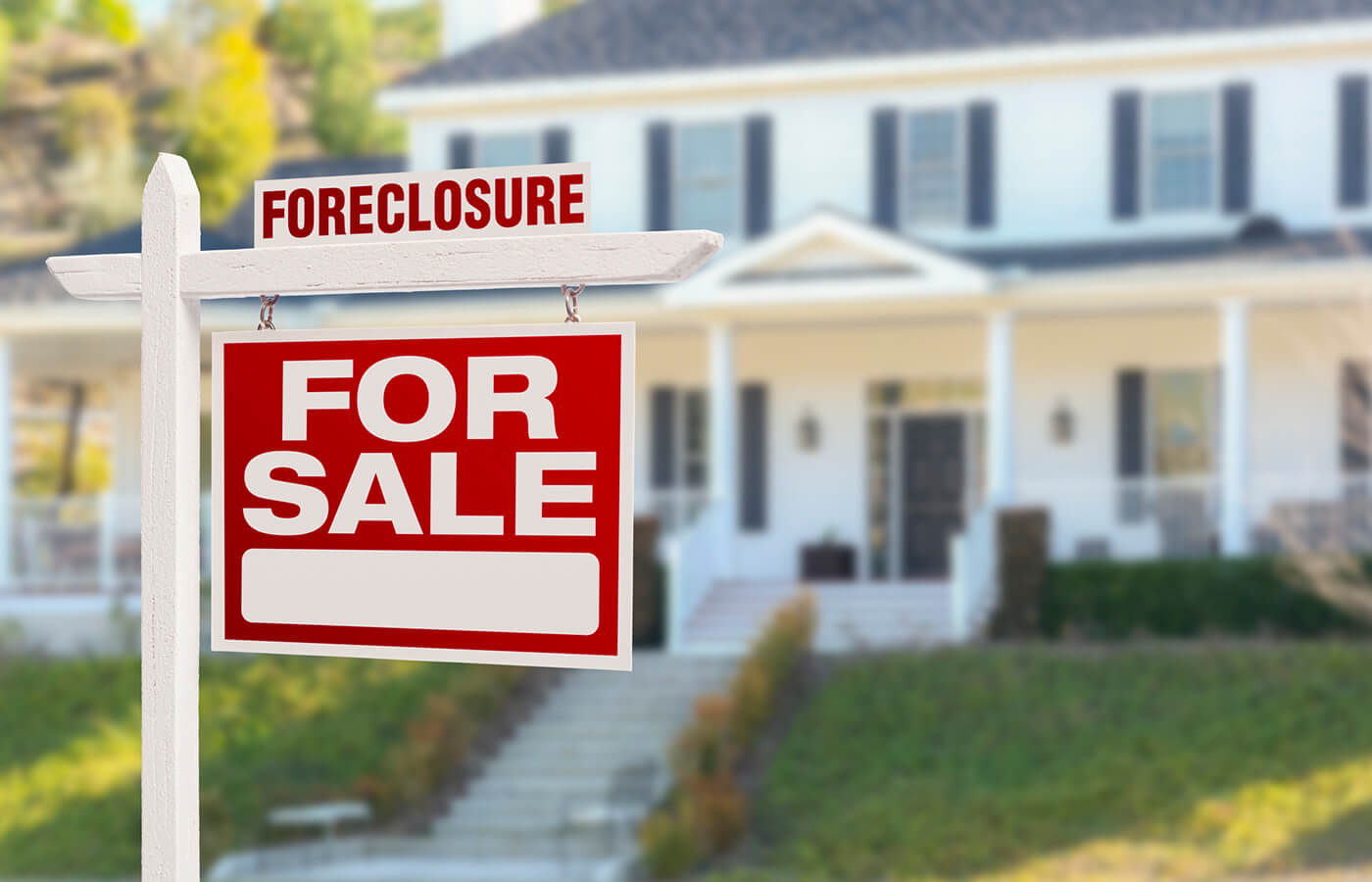
Understanding HOA Foreclosure in Mobile and Across Alabama
For most homeowners, the phrase “HOA foreclosure” is unsettling, and understandably so. The idea that an organization other than a mortgage lender could move to sell your home strikes many people as surprising. Yet under the right circumstances, an Alabama homeowners association does have that authority. The purpose of this guide is to explain, in plain and thorough terms, what HOA foreclosure is, when it can happen in Alabama, what rights homeowners retain throughout the process, and the practical steps owners and boards can take to keep a delinquency from ever reaching that point.
What Is HOA Foreclosure?
HOA foreclosure is the legal process through which a homeowners association enforces its lien against a property and ultimately sells that property when the owner has failed to pay required assessments. In simple terms, when an owner falls behind on dues, the unpaid debt can become secured by the property itself. Once that lien attaches, the association may, under certain conditions, have the right to initiate a sale to recover what it is owed.
Two sources of authority make this possible. The first is the community’s own governing documents — typically the declaration of covenants, conditions, and restrictions (commonly called the CC&Rs), along with the bylaws. The second is Alabama state law, which sets out the framework within which associations may record and enforce a lien. An association’s right to foreclose exists only where both of these sources permit it, and only when the association follows the procedures each one requires.
One feature of HOA foreclosure that catches many homeowners off guard is that it is generally independent of the mortgage. An owner can be entirely current on their home loan and still face an association lien arising solely from unpaid assessments. In other words, the debt owed to the association alone may be enough to set the process in motion, even when the lender has no complaint at all.
It is worth emphasizing that foreclosure is a serious remedy of last resort. Because it can result in the loss of a person’s home, responsible associations typically pursue it only after other collection efforts and reasonable payment arrangements have been explored, ideally with the guidance of legal counsel. Before initiating any foreclosure action, an association should weigh less drastic alternatives — payment plans, negotiated settlements, or temporary forbearance — and confirm that every step strictly complies with both applicable law and the community’s governing documents.
Can an HOA Foreclose on a Home in Alabama?
The short answer is yes. Homeowners associations in Alabama have specific legal authority to record liens for unpaid assessments and, where the governing documents and state law allow, to enforce those liens through foreclosure.
This authority is grounded in the Alabama Homeowners’ Association Act, administered through the Alabama Secretary of State’s office. Under that Act, an association may place a lien on a lot for unpaid assessments and may enforce that lien, subject always to the community’s governing documents and any applicable statutes. You can review the state’s official materials on homeowners associations through the Alabama Secretary of State.
Alabama law also imposes important procedural conditions. In many cases the association must provide the owner with written notice of the assessment and the lien. Critically, the association is generally required to record its statement of lien in the county probate records within 12 months of the delinquency. An association that misses or mishandles these steps may find its lien vulnerable to challenge.
Because the precise application of these rules depends on the type of community, the language of the governing documents, and the facts of each case, any owner who receives a delinquency or lien notice should promptly consult an Alabama attorney rather than rely on general descriptions.
Homeowner Rights During the Process
Homeowners facing a potential HOA foreclosure in Alabama are not without protection. Several meaningful rights run in the owner’s favor, and understanding them early can make a substantial difference.
The right to notice. Owners are entitled to receive the required written notice of the lien, along with the opportunity to review the community’s governing documents. Notice requirements exist precisely so that an owner is never blindsided by enforcement.
Heightened notice for condominiums. In the case of condominium associations operating under the Alabama Uniform Condominium Act, the association must give reasonable advance notice before it enforces a lien. This adds an extra procedural safeguard for condo owners specifically.
The right to a statement of assessments. Homeowners may request a statement of what they owe. For condominiums, when an owner makes the request in writing, the association must provide that statement within 10 business days. For associations governed by the Alabama Homeowners’ Association Act, specified association records must be made available upon written request within a reasonable time not to exceed 30 days.
Redemption rights. Alabama law may give a homeowner the opportunity to redeem the property within a set period after a foreclosure sale. Redemption rights vary depending on the circumstances, but where they apply, they can offer a genuine last chance to recover ownership by paying the total debt together with related costs. Because the availability and mechanics of redemption are highly situation-specific, this is an area where individualized legal advice is especially valuable.
The right to scrutinize the association’s compliance. Finally, owners may have grounds to examine whether the association actually followed every required step — proper board authorization, accurate meeting minutes, and correct publication of the sale notice among them. A procedural misstep by the association can sometimes provide a basis to contest the foreclosure. A qualified attorney can assess whether such grounds exist.
Practical Tips for Homeowners
The most reassuring fact about HOA foreclosure is that it is almost always avoidable. The following steps, taken early and consistently, give homeowners the greatest measure of control.
1. Keep Your Assessments Current
The single most direct way to eliminate foreclosure risk is to stay current on your dues. The association’s right to foreclose generally arises only once an assessment becomes delinquent under your governing documents and state statute. In Alabama, a lien may attach “on and from the date the assessment is due,” as provided in the applicable statutes and your community’s documents. Because even a modest unpaid balance can, in some circumstances, set the process in motion later, remaining in good standing protects you from interest, late fees, and accumulating risk.
Staying current is easier today than it once was. Many associations now offer online payment portals or automatic bank drafts, and setting calendar reminders or opting into digital notifications can prevent the kind of accidental missed payment that quietly snowballs. If you have any doubt about how the lien and foreclosure rules apply to your specific situation, an Alabama attorney can clarify them for you.
2. Review Your Governing Documents
Before any foreclosure can proceed, the governing documents must actually grant the association authority both to place a lien and to enforce it. For that reason, board members and owners alike benefit from carefully reading the declaration, the CC&Rs, and the bylaws to locate and understand any foreclosure-authority language. If the documents do not authorize foreclosure, an owner may wish to consult counsel about whether a legal challenge is available. Understanding how state law and your community’s particular documents interact will help you anticipate when foreclosure becomes possible and what options you might discuss with your attorney in advance.
You can also ask your property manager to clarify any provisions that seem ambiguous, or attend open board meetings to see firsthand how your association approaches collections. In many communities, this kind of transparency keeps small disputes from escalating into serious ones.
3. Maintain Documentation of Your Payments and Communications
If you receive a delinquency notice or wish to dispute an assessment, thorough record-keeping becomes essential. Save your receipts, emails, and letters exchanged with the association or its management company. Good records support you if you believe the amount claimed is wrong or that proper notice was never given. A surprising number of disputes in foreclosure scenarios trace back to missing or inadequate documentation, so keeping everything organized in a dedicated folder or digital archive lets you respond quickly and credibly when it matters most.
4. Consider Payment Arrangements Early
If you sense that you may struggle to keep up, reach out to the association or management company before the situation deteriorates. Proactive communication can sometimes open the door to an alternative to immediate enforcement — a structured payment schedule, a temporary hold, or a hardship arrangement. While no association is obligated to grant such relief, many are willing to work with an owner who demonstrates good faith and a solid payment history. By contrast, ignoring notices tends to multiply costs and foreclose the very options that might otherwise have been available.
5. Seek Guidance Before Time Runs Out
The Alabama foreclosure process can move quickly once a lien is recorded and a court-ordered sale is noticed for publication. Laws and procedures also change over time and can vary by county and by community type. For both reasons, it is wise to seek professional guidance promptly rather than wait. Reviewing the law that applies in your county and your own governing documents with qualified legal counsel — while you still have meaningful options — is the surest way to understand the courses of action genuinely open to you.
How Professional Community Association Management Can Help
Strong, well-organized management is one of the most effective safeguards against a delinquency ever escalating to foreclosure. Capable management support tends to help associations and owners in several complementary ways.
For boards, professional management provides structured collection processes, timely and properly documented notices, and clear financial records — the very elements that reduce the likelihood that a routine delinquency spirals into enforcement. Because outcomes ultimately depend on board decisions and individual circumstances, results naturally vary, but disciplined administration consistently lowers the risk of avoidable escalation.
For owners, good management means staying informed: clear communication about assessments owed, transparent explanations of governing-document obligations, and accurate reporting of any amounts in arrears. When a homeowner does find themselves at risk, responsive management can offer guidance on payment options, furnish a precise accounting of what is owed, and coordinate with the board to minimize disruption wherever possible.
What no management company can or should do is provide legal advice or guarantee any particular outcome, including the avoidance of foreclosure. Boards and homeowners should always consult their own attorneys regarding their legal rights, obligations, and remedies.
A Final Word
HOA foreclosure is a real but largely preventable risk for Alabama homeowners. By understanding where the association’s authority comes from, knowing the rights that protect you, and acting early when problems arise, you place yourself in the strongest possible position. When questions become complex — and in this area they often do — the wisest step is to consult a qualified Alabama attorney who can apply current law to your specific circumstances.