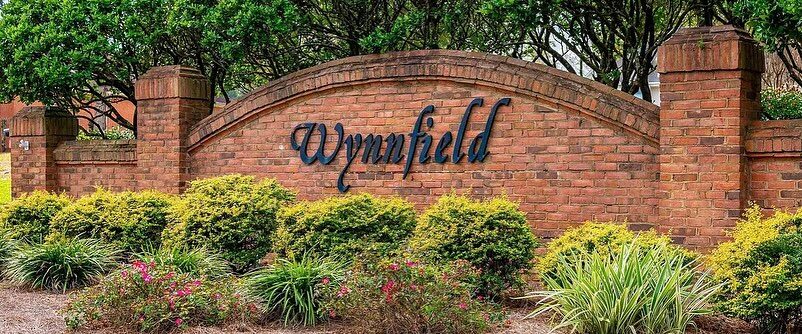
For many residents of Wynnfield, frustration with their homeowners association has moved far beyond ordinary complaints about dues or rules enforcement. Instead, homeowners increasingly describe an HOA they believe is unaccountable, secretive, and adversarial—an organization that works against residents rather than with them.
As controversies continue to pile up, a pressing question is being asked throughout the neighborhood: Can anything actually be done about Wynnfield’s HOA, or are homeowners stuck with a system that no longer serves them?
A Pattern That Has Shaken Confidence
Residents point to a series of actions that have steadily eroded trust in the association’s leadership. These include allegations of retaliation against homeowners, secret board meetings closed to the public, exclusion of elected board members, and an election structure that prevents homeowners from directly choosing the officers who wield the most power.
Perhaps most troubling to residents is the belief that the HOA has blurred the line between governance and personal conflict. Allegations that HOA leadership coordinated with law enforcement to push for criminal prosecution in matters unrelated to HOA business have left many homeowners asking whether the association understands—or respects—its role at all.
“When an HOA starts behaving like a private power structure instead of a community organization, people stop feeling safe,” one resident said. “And once trust is gone, everything else falls apart.”
Why HOAs Feel Impossible to Challenge
One reason homeowners feel trapped is that HOAs often function like mini-governments, but without the same transparency requirements imposed on cities or counties. Residents are bound by covenants they must follow, fees they must pay, and enforcement actions they must obey—yet they may have little or no access to decision-making processes.
In Wynnfield, homeowners report:
-
No access to board meetings
-
No opportunity for public comment or questions
-
No direct election of officers
-
No meaningful mechanism to hold leadership accountable
This imbalance of power leaves many feeling that the HOA answers to no one.
What Can Homeowners Do?
While the situation may feel hopeless, homeowners are not entirely without options—though none are easy or fast.
1. Organize as a Community
One of the most powerful tools homeowners have is collective action. When residents organize, document concerns, and speak with one voice, it becomes harder for an HOA to dismiss or ignore them. This may include:
-
Holding independent homeowner meetings
-
Creating a homeowners’ committee or association separate from the HOA
-
Sharing information openly among residents
Sunlight, as the saying goes, is often the first step toward accountability.
2. Demand Enforcement of the Bylaws
HOAs are legally bound by their governing documents. If board members are excluding elected directors, holding meetings improperly, or violating election procedures, homeowners may have grounds to demand compliance.
This can involve:
-
Formal written demands for records and minutes
-
Requests for financial disclosures
-
Legal review of bylaws and covenants
Even the act of asserting these rights can pressure boards to correct course.
3. Seek Legal Remedies
In extreme cases, homeowners may consider consulting an attorney who specializes in HOA or property law. While legal action can be costly, courts can:
-
Compel compliance with bylaws
-
Order transparency and access
-
In rare cases, remove board members who act unlawfully
The mere involvement of legal counsel sometimes prompts HOAs to reconsider questionable practices.
4. Vote—Even Within a Flawed System
Even when homeowners cannot directly elect officers, electing reform-minded board members can still matter. Over time, changing the composition of the board may allow residents to push for:
-
Open meetings
-
Direct officer elections
-
Bylaw amendments
-
Greater homeowner participation
This approach requires patience, persistence, and coordination—but it remains one of the few internal paths to change.
The Emotional Toll of a Broken HOA
Beyond legal and procedural issues, many Wynnfield residents describe a deeper harm: the emotional strain of living under an HOA they no longer trust.
Home is supposed to be a place of stability. When an HOA becomes a source of fear, conflict, or retaliation, it affects not just property values—but mental well-being, neighbor relationships, and quality of life.
“No one should feel powerless in their own home,” one homeowner said. “But that’s exactly how this HOA makes people feel.”
A Larger Question
The situation in Wynnfield raises a broader concern about homeowners associations everywhere: What happens when there are no effective checks on HOA power?
Without transparency, accountability, and homeowner participation, HOAs risk becoming exactly what critics fear—closed systems that protect leadership instead of communities.
Conclusion: Change Is Hard, But Not Impossible
So, can anything be done about Wynnfield’s HOA?
The honest answer is: yes—but it will require effort, unity, and persistence. Change rarely comes quickly in HOA disputes, and there is no single solution. But history shows that when homeowners stay informed, organized, and unwilling to accept secrecy and retaliation as “normal,” even entrenched systems can be forced to change.
The alternative—silence and resignation—only guarantees that nothing will.
For the residents of Wynnfield, the question may no longer be whether something can be done, but how long they are willing to live with an HOA they no longer believe is acting in their best interest.