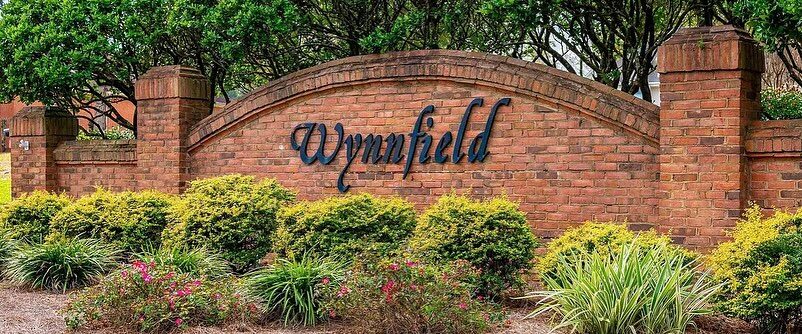
For many families across Mobile, Halloween isn’t just about costumes and candy anymore—it’s also about where to go trick-or-treating. Over the years, Wynnfield has become one of those “destination neighborhoods,” drawing large crowds from across the city for door-to-door candy and a lively atmosphere.
On paper, that might sound like a compliment: a neighborhood known for participation, decorations, and a safer, walkable layout. But inside Wynnfield, many residents say the reality is far more complicated. What was once a community holiday has become a weekend-scale event that overwhelms the neighborhood, strains safety, and leaves homeowners feeling like they’re forced to host a citywide gathering on their own front lawns.
When “Busy” Becomes “Overrun”
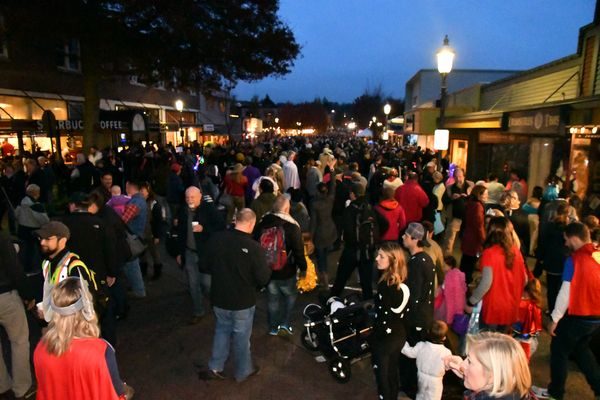
Residents describe Halloween night in Wynnfield as a surge—cars lining streets, packed sidewalks, and thousands of visitors funneling into a few residential roads. The crowd isn’t just a little bigger than normal. Homeowners say it can be so heavy that:
-
traffic becomes gridlocked,
-
driveways are blocked,
-
residents struggle to enter or exit their own streets,
-
and kids are navigating through crowds that are unfamiliar with the neighborhood.
Halloween is supposed to be neighborly. But when the volume reaches a certain level, residents argue it stops feeling like a community tradition and starts feeling like an unmanaged public event.
Trampled Lawns, Trespassing, and a “No Respect” Problem
One of the biggest complaints residents raise isn’t candy—it’s behavior.
Homeowners say that when large groups arrive from outside the neighborhood, not everyone treats Wynnfield like a place where people live. They describe visitors cutting across yards instead of using sidewalks, stepping through flowerbeds, letting kids run up landscaping, and ignoring posted signs.
Over time, residents say, it creates resentment. Not because families from other areas are unwelcome—but because some visitors act like the neighborhood is a venue rather than private property.
And the damage isn’t theoretical. Trampled lawns, broken decorations, and disturbed landscaping all cost money and time—borne by individual homeowners, not the public.
The Crime Concerns Residents Keep Pointing To
Crowds create opportunity. That’s what residents fear most.
Many homeowners believe that when Halloween brings in a massive influx of strangers, it also brings higher risk for theft, vandalism, and other problems—especially when it’s difficult to tell who belongs, who doesn’t, and what is happening on a busy street.
Residents say the risks include:
-
porch theft (people walking close to doors and packages),
-
car break-ins (unlocked doors, crowded street parking, distracted homeowners),
-
and general disorder (arguments, reckless driving, or people wandering where they shouldn’t).
Even when serious incidents are rare, the perception matters. If residents feel unsafe in their own neighborhood on a night that should be fun—then something is broken.
Why Wynnfield Specifically?
Destination trick-or-treating is a real trend in many cities. Families seek neighborhoods that are well-lit, highly participatory, and perceived as safer or more walkable.
Wynnfield’s layout and reputation for heavy Halloween activity make it a natural magnet. But residents argue that the neighborhood’s appeal shouldn’t automatically mean it becomes a free-for-all.
Some homeowners also resent the idea that Wynnfield is expected to “carry” Halloween for other parts of the city. They believe every neighborhood has the right to improve its own safety and community involvement—without exporting crowds to another area and turning one subdivision into the default solution.
The Real Issue: No Planning, No Controls, No Support
Many Wynnfield residents say the biggest problem isn’t the visitors—it’s the lack of structure.
If thousands of people are coming, homeowners argue there should be some level of coordination to protect residents, property, and kids. Instead, they describe Halloween as a predictable annual surge with no real plan:
-
no designated traffic routes,
-
no meaningful crowd control,
-
no clear parking plan,
-
no visible coordination with city services,
-
and no accountability when things go wrong.
The result is frustration—because residents are left managing the impact individually.
What Residents Want: Keep Halloween Fun, Without Sacrificing the Neighborhood
Most residents aren’t saying, “No one is allowed here.” The more common sentiment is: this needs boundaries.
Practical solutions residents often support include:
-
Traffic and parking controls to prevent blocked driveways and unsafe congestion
-
Increased patrol presence (city, not private volunteers) during peak hours
-
Clear “respect the neighborhood” messaging —stay on sidewalks, no yard-cutting, no trespassing
-
Voluntary participation cues (lights on = participating, lights off = do not approach) reinforced publicly
-
Community-organized trunk-or-treat alternatives at churches, schools, or parks to reduce pressure on residential streets
-
Event-style planning if the city knows Wynnfield draws huge crowds—because functionally, it already is an event
Residents argue that if Wynnfield is going to be treated like a Halloween destination, then the city and community leaders should plan for it like one—rather than leaving homeowners to absorb the consequences.
A Community Holiday Shouldn’t Feel Like an Invasion
Halloween should be loud, bright, and joyful. But Wynnfield residents say it shouldn’t come with fear, resentment, or property damage.
They don’t want to cancel Halloween. They want to reclaim it.
Because at the end of the night, visitors go home. Wynnfield homeowners are the ones left with the blocked streets, the damaged lawns, the cleanup, and the growing feeling that their neighborhood is being used—not respected.
And as the crowds grow year after year, residents say one thing is becoming increasingly clear: if nothing changes, Halloween in Wynnfield will keep getting bigger, messier, and more volatile.
A tradition can still be a tradition—without turning a residential neighborhood into an uncontrolled public event.
Related Articles
- There Isn’t a “New Nationwide HOA Law” in 2026 — But the Reform Wave Is Real (and Why Alabama Homeowners Still Feel Stuck)
- Wynnfield HOA Hires Signal 88 Security Company Because of High Crime
- Can Anything Be Done About Wynnfield’s HOA? Homeowners Ask What Options Remain
- Understanding HOA Proxy Voting: What Wynnfield Residents Need to Know
- Wynnfield HOA Drops Lawsuit Against Homeowner Over Dead Tree
- Neglected and Unsafe: Wynnfield Residents Raise Alarms Over HOA’s Abandoned Ponds
- When Trust Is Broken: How Wynnfield HOA Became a Symbol of Why People Distrust Homeowners Associations
- Who Really Runs the HOA? The Hidden Election Process That Leaves Homeowners Without a Voice
- Wynnfield HOA President Accused of Coordinating With Authorities to Have Resident Arrested
- The Troubling State of the Wynnfield HOA: Resident Concerns, Leadership Issues, and Neighborhood Decline