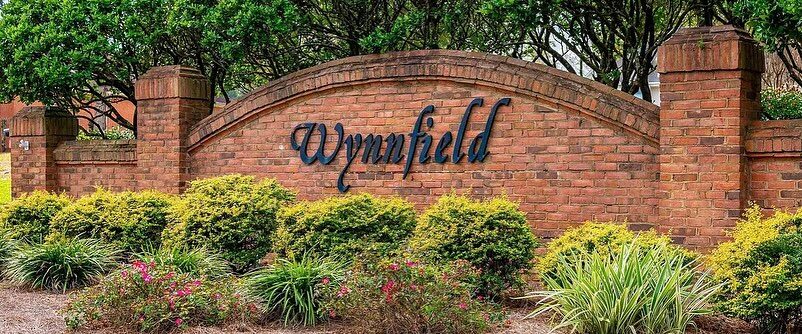
Homeowners associations exist for one fundamental reason: to manage shared property and promote the collective well-being of a neighborhood. At their best, HOAs help maintain common areas, protect property values, and create a sense of order and stability. At their worst, however, they can become vehicles for personal grudges, retaliation, and abuse of power.
Residents of the Wynnridge community say their HOA offers a sobering example of what happens when personal attacks and vendettas replace fair governance—and why such behavior can be deeply harmful to the safety, stability, and mental well-being of homeowners.
A Power Structure Homeowners Cannot Escape
One of the most troubling realities of living in an HOA-governed neighborhood is that homeowners cannot simply opt out. When someone purchases a home in an HOA community, membership is mandatory and permanent for as long as they own the property.
Unlike a club or organization that one can resign from, an HOA is tied directly to a person’s home—the place where they sleep, raise children, and seek safety. When an HOA turns hostile, homeowners are effectively trapped in an adversarial relationship with an entity that controls fines, enforcement, access to amenities, and sometimes even legal action.
Residents of Wynnridge say this lack of escape makes abuses of power especially damaging.
From Governance to Grievance
In Wynnridge, multiple controversies have fueled accusations that HOA leadership has allowed personal grievances to drive decision-making.
Residents have alleged that HOA leaders:
Targeted specific homeowners rather than applying rules evenly Escalated personal disputes instead of resolving them through mediation Used their authority to intimidate or retaliate against neighbors
One of the most widely discussed examples involves allegations that HOA leadership coordinated with law enforcement and prosecutors to push for the arrest and prosecution of a homeowner in a matter unrelated to HOA governance. Emails and photographs originating from the HOA were later shown in court, raising serious concerns about whether association power was used to pursue a personal vendetta rather than protect the community.
For many residents, this crossed a line.
“An HOA isn’t supposed to ruin someone’s life,” one homeowner said. “It’s supposed to manage grass and common areas.”
When Retaliation Replaces Representation
The problems in Wynnridge have not been limited to homeowners alone. Even elected board members have reportedly been excluded from meetings, communications, and decision-making after becoming socially or personally unpopular with other board members.
Residents say this behavior violates basic HOA bylaws and undermines the democratic process. When elected representatives are silenced for personal reasons, homeowners lose their voice—and the HOA becomes an insular group accountable only to itself.
This kind of exclusion reinforces fears that loyalty and personal alignment, not fairness or rules, determine how people are treated.
Secrecy and Control
Another recurring complaint in Wynnridge is the secrecy surrounding HOA operations. Board meetings are reportedly closed to homeowners, with no opportunity for residents to attend, ask questions, or provide input.
In contrast, even city councils and county commissions—government bodies with far broader authority—are required to allow public participation. Wynnridge homeowners say their HOA operates with fewer safeguards than public institutions, despite exercising significant control over residents’ lives.
Secrecy, critics argue, creates fertile ground for vendettas to flourish unchecked.
Neglect, Safety, and Selective Enforcement
While residents describe aggressive enforcement and personal targeting in some cases, they also point to neglect in core responsibilities. Wynnridge’s common areas, including ponds and lakes, have reportedly fallen into disrepair, with residents citing vermin, snakes, stagnant water, and lack of maintenance.
At the same time, the neighborhood has faced ongoing concerns about crime and violent incidents in the surrounding area—issues residents say have not been meaningfully addressed or communicated by the HOA.
This contrast—strict enforcement against individuals paired with inaction on community-wide safety and maintenance—has deepened the sense that decisions are driven by who is involved rather than what is best for the neighborhood.
The Human Cost
When an HOA becomes adversarial, the damage extends far beyond fines or rule disputes. Homeowners describe:
Anxiety and fear of retaliation Isolation within their own neighborhood Stress tied to constant enforcement or harassment Loss of trust in neighbors and leadership
For families, elderly residents, and those with limited financial means, the consequences can be devastating. Selling a home is not always feasible, and legal battles are expensive. As a result, many homeowners feel powerless.
“They can make your life a living nightmare,” one resident said. “And there’s nowhere else to go.”
Why Personal Vendettas Have No Place in HOAs
HOAs are not courts, police departments, or social tribunals. They are administrative bodies with narrow authority—and that authority must be exercised with restraint, transparency, and fairness.
When personal animosity enters the equation:
Safety is compromised Community cohesion breaks down Legal and ethical boundaries are crossed Trust is permanently damaged
The situation in Wynnridge illustrates how quickly an HOA can lose its legitimacy when leadership forgets its purpose.
A Call for Accountability
Residents say the solution begins with restoring basic principles:
Transparency in meetings and decisions Equal enforcement of rules Clear limits on HOA authority Mechanisms to prevent retaliation and abuse
Above all, homeowners are calling for a return to governance over grudges.
Conclusion
People do not join homeowners associations by choice—they join by necessity when they buy a home. That reality imposes a moral obligation on HOAs to act responsibly, fairly, and without personal bias.
The controversies surrounding Wynnridge serve as a cautionary tale. When an HOA allows personal attacks and vendettas to guide its actions, it stops being a steward of the community and becomes a source of harm.
No one should fear the organization tied to their home. And no HOA should ever forget that its power exists to serve—not to punish.