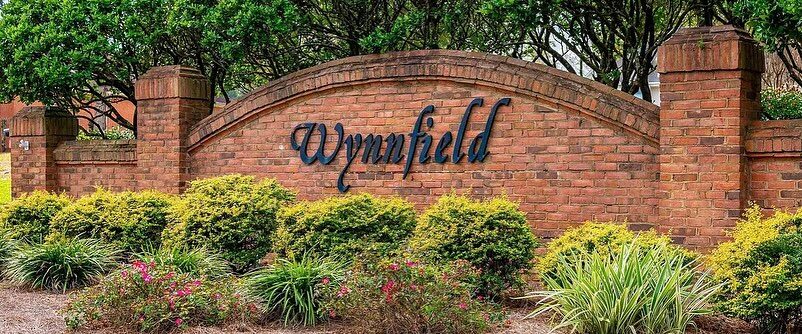
The two ponds—or lakes—located within the Wynnfield neighborhood have become a growing source of concern for residents, who say the bodies of water are in severe disrepair and pose potential health and safety risks. Once intended as scenic features of the community, neighbors now describe them as neglected, stagnant, and dangerous.
According to multiple residents, the ponds appear to receive little to no maintenance from the Wynnfield Homeowners Association, despite being common areas funded by homeowner dues.
Reports of Vermin and Dangerous Wildlife
Homeowners living near the ponds say the deteriorating conditions have made them breeding grounds for vermin and dangerous snakes. Overgrown vegetation, stagnant water, and accumulated debris have reportedly created an ideal habitat for rodents and reptiles, raising concerns for families with children and pets.
“We’re seeing snakes regularly now,” one resident said. “This isn’t just an eyesore—it’s a safety issue.”
Others report foul odors, thick algae growth, and insect infestations, all of which point to long-term neglect rather than a temporary lapse in upkeep.
Video Evidence Brings Attention
Local resident Amber Gray recently posted a video to YouTube documenting the condition of the ponds. The footage shows murky, stagnant water, heavy overgrowth along the banks, and a lack of visible maintenance or erosion control.
Residents say the video confirms what they’ve been reporting for months—and in some cases, years.
“This is what our HOA dues are supposed to prevent,” one homeowner said. “Instead, the ponds are rotting right in front of us.”
HOA Silence and Inaction
Despite repeated complaints from homeowners, residents say the Wynnfield HOA has failed to take meaningful action. There has been no public plan for cleanup, no explanation for the lack of maintenance, and no timeline provided for remediation.
This silence has only fueled frustration, especially as residents note that pond maintenance is a standard responsibility for HOAs that manage shared water features. Regular dredging, vegetation control, aeration, and safety monitoring are common practices in properly managed communities.
Part of a Larger Pattern
For many homeowners, the state of the ponds is not an isolated issue but part of a broader pattern of neglect and mismanagement by the HOA. Residents point to secretive board meetings, lack of transparency, and adversarial behavior toward homeowners as signs that the association is failing to meet its basic obligations.
“The ponds are a perfect metaphor for this HOA,” one resident said. “Neglected, ignored, and allowed to become a problem for everyone else.”
Concerns Over Property Values and Liability
Beyond health and safety concerns, residents worry about the long-term impact on property values and potential legal liability. Poorly maintained ponds can create serious risks, including flooding, wildlife encounters, and environmental violations.
“If someone gets hurt, who’s responsible?” one homeowner asked. “Because right now, it feels like no one is.”
Calls for Accountability
Homeowners are now calling on the Wynnfield HOA to:
-
Acknowledge the condition of the ponds publicly
-
Commission a professional inspection
-
Establish a regular maintenance plan
-
Provide transparency on how HOA funds are being used
Until then, residents say they will continue documenting conditions and sharing evidence publicly to force attention on an issue they believe should have been addressed long ago.
As Amber Gray’s video makes clear, the ponds of Wynnfield are no longer community amenities—they are warning signs of what happens when basic responsibilities are ignored.