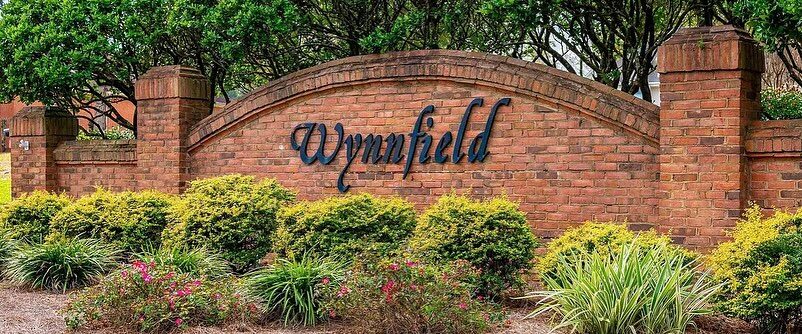
The Wynnfield Homeowners Association has installed security cameras at the entrance of the neighborhood, a move residents say reflects a growing and undeniable reality: crime in and around the community has escalated to a level that can no longer be ignored.
The cameras, which monitor vehicles entering and exiting Wynnfield and can be accessed remotely over the internet, are intended to aid in identifying suspicious activity and assist law enforcement when crimes occur. But for many homeowners, the presence of surveillance equipment is less a reassurance and more a symbol of how unsafe the neighborhood has begun to feel.
A Reaction, Not a Solution
According to residents, the decision to install cameras did not come with a broader safety plan, community meeting, or meaningful discussion. Instead, it appears to be a reactive measure driven by repeated criminal incidents that have drawn police response and media attention.
While security cameras can be a useful investigative tool, homeowners note that they are typically installed when crime has already become a serious concern—not as a preventative luxury.
“Communities don’t put cameras at the entrance unless something is wrong,” one resident said. “This didn’t happen in a vacuum.”
Crime That Shook the Area
Concerns about safety have been amplified by a series of violent incidents reported by local media in West Mobile, some occurring alarmingly close to residential neighborhoods like Wynnfield.
Local outlets including WKRG and NBC 15 have reported on:
A West Mobile stabbing in which a suspect was charged following a violent attack An incident where multiple people were attacked by a man armed with a knife, requiring police intervention Follow-up reporting in which a victim’s family described the severity and trauma of a stabbing attack Mobile police responding to reports of multiple stabbing victims in a single incident
While not every incident occurred directly inside Wynnfield, residents say the frequency and proximity of violent crime has fundamentally altered how safe they feel in their own neighborhood.
“When you keep seeing stories about stabbings and violent attacks in your area, it changes how you live,” one homeowner said. “You’re more cautious, more anxious, and less trusting.”
Why the Cameras Matter
The entrance cameras are designed to capture license plates and vehicle movement, providing a digital record that can be reviewed if a crime occurs. The footage can be accessed remotely, making it easier to share with law enforcement when requested.
But residents question why such measures became necessary in the first place—and whether they are being implemented transparently or responsibly.
Some homeowners have raised concerns about:
Who has access to the footage How long recordings are stored Whether cameras are being used strictly for safety or for other purposes
These questions, residents say, remain unanswered.
A Neighborhood on Edge
The installation of cameras has had a psychological impact on the community. For some, it offers a sense of protection. For others, it reinforces the idea that Wynnfield is no longer the quiet, secure neighborhood they once believed it to be.
Parents report being more hesitant to let children play outside. Residents say they are more alert to unfamiliar vehicles and more aware of police activity. The cameras, constantly recording, serve as a visible reminder that safety is now a concern that requires technological monitoring.
Broader HOA Concerns
The crime issue does not exist in isolation. Homeowners have long criticized the Wynnfield HOA for secrecy, lack of communication, and adversarial behavior toward residents. Against that backdrop, the sudden presence of internet-connected surveillance cameras raises additional trust issues.
“Before installing cameras, they should have talked to the community,” one resident said. “Instead, it feels like another decision made without us.”
Symbol of a Larger Problem
For many residents, the cameras are not just about crime—they are a symbol of a neighborhood under strain. They represent:
Rising safety concerns Reactive governance rather than proactive leadership A community grappling with fear and uncertainty
While cameras may help document crime, they do little to address root causes or rebuild trust within the neighborhood.
Looking Ahead
Homeowners say they want more than surveillance. They want honest communication about crime trends, collaboration with law enforcement, and community-wide strategies that prioritize prevention and transparency.
Until then, the cameras at Wynnfield’s entrance will continue to record every vehicle that comes and goes—standing as silent witnesses to a neighborhood struggling with escalating crime and unanswered questions about safety, accountability, and leadership.